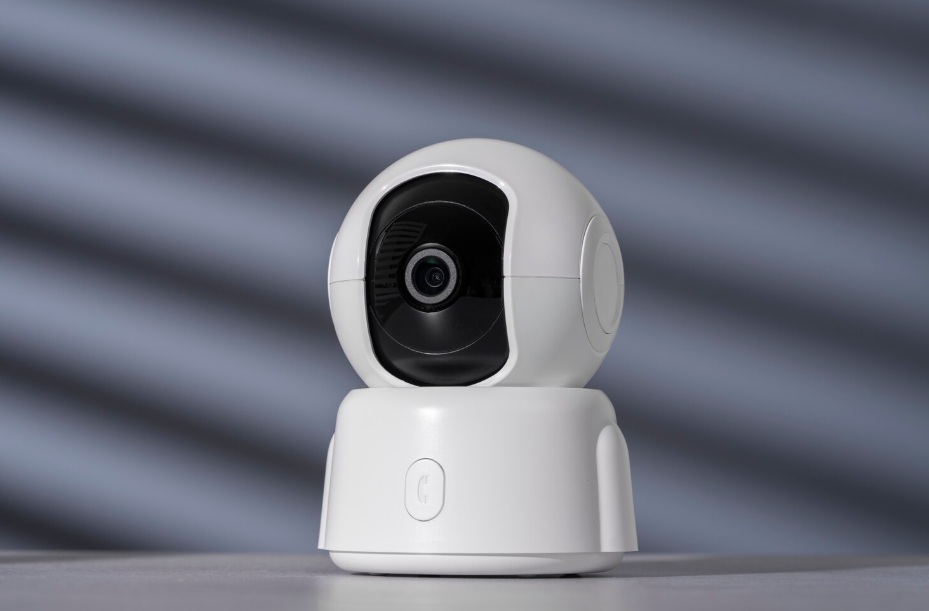
In today’s digital world, the demands on data processing set high standards. USB 3 cameras, such as the usb 3 camera from VA Imaging, play a crucial role in reducing processing time and boosting efficiency. These cameras are designed to transfer large amounts of data at lightning speed, making them ideal for applications that rely on fast image processing and analysis.
Technological Advantages of USB 3 Cameras
USB 3 cameras offer several technological advantages that set them apart from their predecessors. One of the biggest benefits is the increased bandwidth provided by USB 3.0. This protocol can transfer data at speeds up to 5 Gbps, which is significantly faster than USB 2.0. This advantage is essential for applications where speed and precision are critical, such as in medical imaging and industrial inspection.
- Faster Data Transfer: The higher bandwidth ensures that high-resolution images can be quickly sent to computers for processing.
- Improved Image Quality: USB 3 cameras can capture and transmit higher-quality images thanks to their advanced sensor technology.
- Lower Latency: The improved data stream reduces delays and enables real-time processing, which is crucial for many applications.
Applications Across Different Sectors
USB 3 cameras are finding their way into various industrial and commercial applications. From security systems to research laboratories, the possibilities are diverse:
- Industrial Inspection: In manufacturing environments, these cameras are used for quality control and defect detection. With high resolution, even the smallest deviations can be detected.
- Medical Imaging: In healthcare, USB 3 cameras make it possible to capture detailed images of patients, enabling doctors to make better-informed decisions.
- Machine Vision: In automation, USB 3 cameras are essential for machine vision applications where automated systems need visual data for analysis purposes.
Choosing the Right USB 3 Camera
When selecting the right USB 3 camera, there are several factors to consider:
- Resolution: Higher resolutions are important for applications that require detailed images.
- Sensor Technology: CCD or CMOS sensors each have their own strengths and weaknesses depending on the specific application.
- Software Compatibility: Make sure the camera is compatible with the software you plan to use for data processing.
Future Developments in USB 3 Camera Technology
The technology behind USB 3 cameras continues to evolve. Constant innovations are being made in terms of increased speed, better image processing, and improved software interfaces. The rise of USB 3.1 and further updates bring opportunities for even faster data processing and more powerful cameras. This means the applications of USB 3 cameras will keep expanding, making them a valuable investment for any business that depends on video data.
A New World of Image Processing
USB 3 cameras are transforming the way we capture and process images. With their high transfer speeds and versatile applications, they represent the future of fast data processing. Whether you are a manufacturer, researcher, or developer, the opportunities these cameras provide are undeniable and will continue to grow as we move toward a technology-driven world.